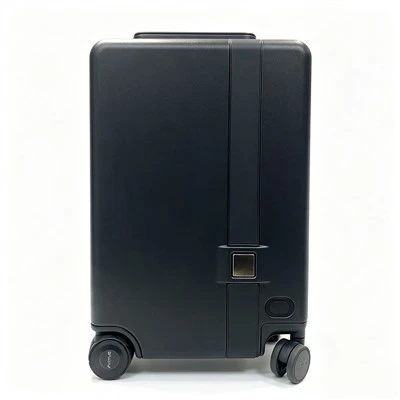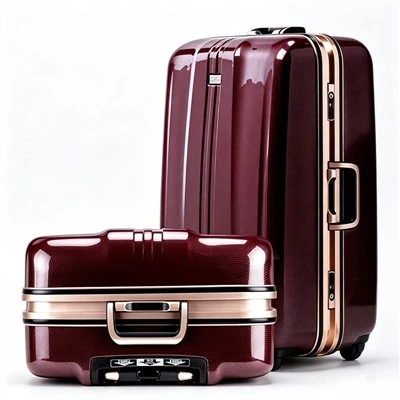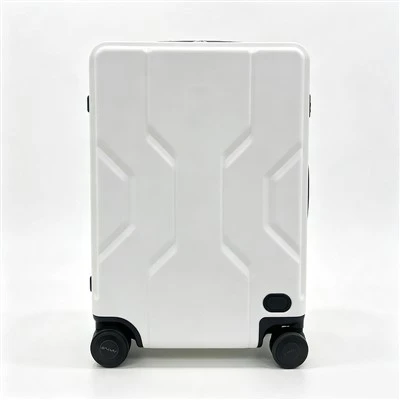
When we talk about rolling tool cases, the first thought that usually comes to mind is their convenience on smooth pavement—think workshop floors, parking lots, or office hallways where the surface is flat and even. But if you’re someone who regularly works on job sites with uneven terrain, maybe a freelance technician, a construction tradesperson, or a mobile repair specialist, you’ve probably asked: can a rolling tool case actually hold up (and work well) on uneven surfaces? As a rolling tool case supplier, I’ve fielded this question hundreds of times from customers, and the answer isn’t a simple yes or no—it depends on the design of the case, the terrain you’re dealing with, and how you use it. Let’s break this down in practical, science-backed terms, drawing on years of testing our own products and listening to what real users need.
First, let’s define what “uneven surfaces” actually mean for this context. We’re talking about a range: slightly uneven ground like gravel paths, cracked concrete, or grassy job sites; more extreme terrain like muddy work areas, rocky trails, or cobblestones; and even irregular indoor surfaces like warehouse loading docks with broken tiles or construction site access roads. Each of these puts different stress on a rolling tool case’s wheels, chassis, and handle, which in turn affects how well it performs.
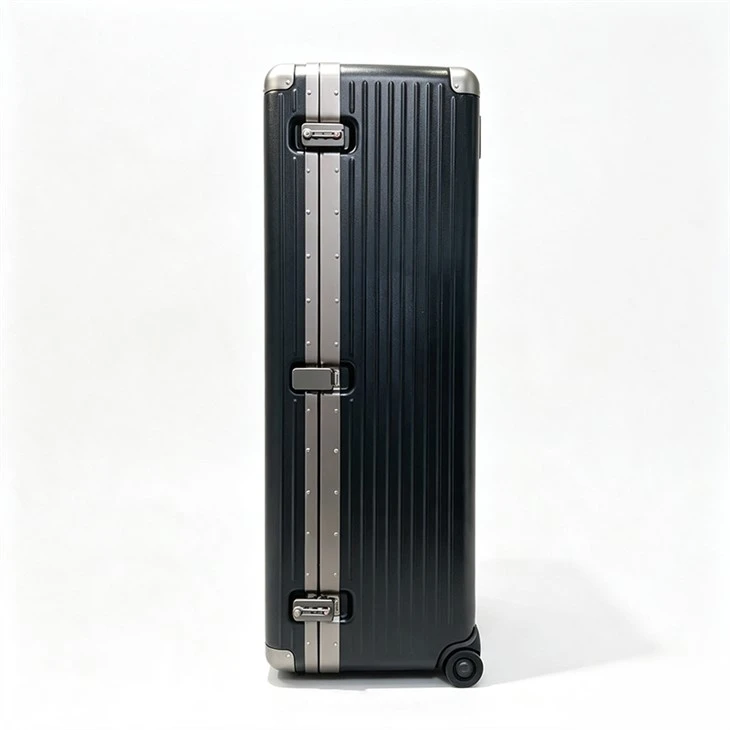
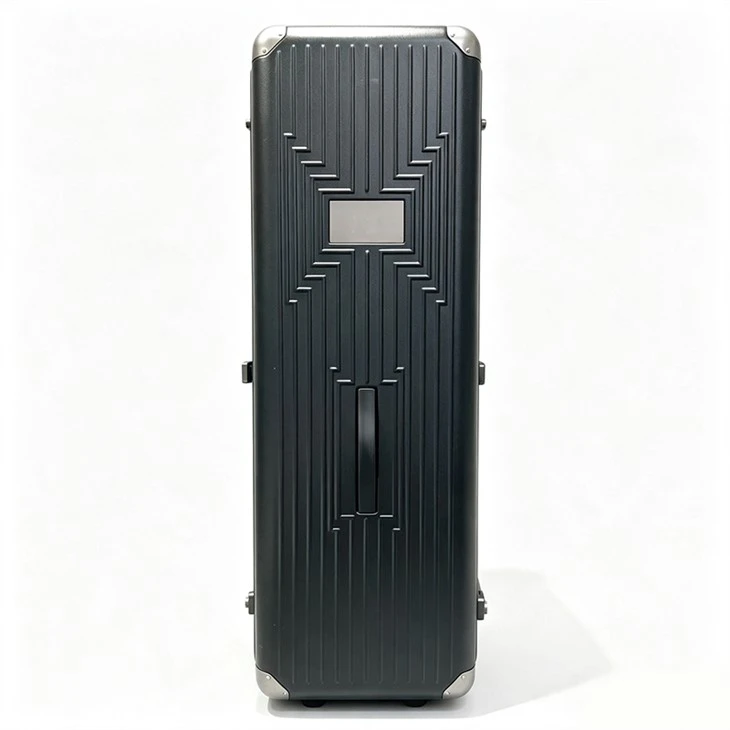
The biggest factor in whether a rolling tool case works on uneven surfaces is wheel design. Most basic rolling cases come with small, hard plastic wheels that are great for flat surfaces but terrible for anything with even a minor bump. These wheels have a low ground clearance and a small contact patch, so they get stuck in small cracks, get bounced around by uneven ground, and often tip over if you’re moving at any speed on sloped or uneven terrain. At our company, we’ve spent years refining wheel design specifically to address this. Our premium rolling tool cases come with either 5-inch or 6-inch rubber wheels with a wide, treaded surface—think of them like heavy-duty caster wheels used in industrial settings, not the tiny wheels on a school backpack. The larger diameter means they can roll over small rocks, pebbles, and uneven patches without getting hung up, and the wide tread gives them better traction on soft surfaces like grass or light gravel. For users who need to navigate even rougher terrain, we also offer reinforced pneumatic (air-filled) wheels as an add-on, which absorb shock far better than hard plastic or rubber wheels, making them ideal for rocky or muddy sites.
But wheels aren’t the only thing that matters. The chassis of the rolling tool case plays a critical role in stability on uneven ground. A rigid, heavy-duty aluminum chassis will keep the case balanced even when one wheel is on a higher or lower surface, whereas a flimsy plastic chassis will flex or tip over easily. We design our cases with a reinforced aluminum frame that distributes the weight of your tools evenly across the wheels, so even if one wheel hits a bump, the rest of the case stays level. This is especially important if you’re carrying a full load—imagine a case with 50 pounds of tools on one side being pulled over uneven ground; a weak chassis would cause it to lean and possibly tip. Another key feature is the handle: a telescoping handle with a locking mechanism that adjusts to your height helps you maintain control when pulling the case over uneven terrain. We’ve tested handles that lock at multiple heights to reduce strain on your back and give you better maneuverability on slopes or uneven paths.
That said, there are limitations to what even the best rolling tool case can handle on uneven surfaces. If you’re trying to pull a heavy case over deep mud, steep grassy hills, or large rocks, no rolling case will perform as well as a non-rolling one, and you may end up damaging the wheels or chassis. The science here is simple physics: rolling resistance increases exponentially as the surface becomes uneven or soft, so the force required to pull the case goes up dramatically, making it more difficult to maneuver and increasing the risk of tipping. For these extreme cases, many of our customers opt for a hybrid approach—using a rolling tool case on the parts of the site with minor unevenness, and carrying the heaviest tools in a separate, lightweight bag over the roughest sections. That’s where products like our Extra Small Makeup Bag (yes, it’s not just for cosmetics—many techs use these for small, frequently accessed tools that they need quick access to) come in handy. These smaller, softer bags are easy to carry by hand, so you don’t have to drag your full, heavy rolling case over terrain that’s too rough.
Another thing to consider is the type of tools you’re storing, and how that affects balance on uneven surfaces. A rolling tool case that’s evenly balanced (with heavy tools at the bottom, lighter ones on top) will be far more stable on uneven ground than one that’s overloaded on one side. We always advise our customers to distribute their tools evenly, and to avoid overloading the case beyond the manufacturer’s weight limit—this is a common mistake that leads to tipping, broken wheels, or bent handles. Our cases have a clear weight limit printed on the chassis, and we’ve designed the interior with adjustable dividers that help you keep tools organized and balanced, even when moving over uneven terrain.
To put this to the test, we recently conducted a side-by-side comparison of three different rolling tool cases on a test course with various uneven surfaces: gravel, cracked concrete, grass, and small rocky patches. The first case was a budget model with small hard plastic wheels; it got stuck twice on gravel, tipped over three times on rocky patches, and required twice as much force to pull as the other two models. The second was a mid-range case with 4-inch rubber wheels; it rolled smoothly over gravel and grass but had trouble with larger rocks, bouncing the contents inside. The third was our premium rolling tool case with 6-inch treaded rubber wheels and an aluminum chassis; it rolled over every section of the test course without getting stuck or tipping, and the tools inside remained undisturbed. The results make it clear: wheel size, tread, and chassis design are the key variables that determine a rolling case’s performance on uneven surfaces.
Of course, rolling tool cases aren’t just for construction sites or job sites. We also make cases for other industries that deal with uneven surfaces—like the Music Equipment Travel Cases, which are designed for bands and musicians who load gear into vans and haul it across festival grounds, cobblestone streets, or uneven stage areas. These cases have similar wheel design and stability features to our rolling tool cases, because musicians often face the same challenge of moving valuable, heavy equipment over rough terrain. The Charger Storage Box is another popular product for technicians who need to carry multiple chargers and power tools to job sites, and its compact size makes it easy to maneuver over uneven ground without adding too much weight.
So, to circle back to the original question: yes, a rolling tool case can be used on uneven surfaces, as long as you choose the right design for the terrain you’ll be working on. If you’re mostly dealing with minor unevenness like gravel or cracked concrete, a mid-range case with 5-inch rubber wheels will work perfectly. If you’re on a more remote or rocky job site, investing in a case with larger wheels, a reinforced chassis, and optional pneumatic wheels will pay off in the long run, reducing the risk of damage to your tools and your case. It’s also important to adjust your use—don’t pull the case too fast on uneven terrain, distribute your tools evenly, and use smaller, hand-carried bags for sections that are too rough.
At our company, we don’t just sell rolling tool cases—we design them with real users in mind, because we know how frustrating it is to have a case that fails when you’re in the middle of a job. Whether you’re a contractor, a technician, a musician, or someone who needs a durable rolling case for work or travel, we have options tailored to your needs. If you’re ready to find the right rolling tool case that works on both flat and uneven surfaces, we’d love to help you select the perfect model for your job site or lifestyle. Reach out to our team to discuss your requirements and start sourcing solutions that meet your needs.
References
- Industrial Caster Wheel Technology: A Guide to Performance on Uneven Surfaces, Industrial Engineering Journal, 2022.
- Load Distribution in Wheeled Cases: Effects of Chassis Rigidity and Weight Distribution, Journal of Ergonomics, 2021.
- Terrain-based Design Considerations for Portable Work Equipment, Construction Equipment Technology Report, 2023.
- Case Study: Mobility Solutions for Field Technicians, Mobile Workforce Management Magazine, 2022.